Air conditioning gas is a vital type of gas used for the operation of cooling systems. Due to its specific composition and wide range of applications, it is a highly significant product.
If you turn on your air conditioner on a hot summer day and receive only lukewarm air instead of a refreshing breeze, the problem most likely lies in the “lifeblood” of the system: the AC gas. However, air conditioning gas is more than just a cooling liquid; it is an engineering marvel at the center of a complex thermodynamic cycle that, if not managed correctly, can harm both your wallet and the environment.
In this guide, in light of the current 2026 standards, we will examine everything from AC gas types to filling processes, and from leak detection to cost analysis through the eyes of an expert.
What is Air Conditioning Gas (Refrigerant)?
Technically known as “refrigerant,” it is a substance that carries heat from the environment by transforming from liquid to gas and gas to liquid within a cycle. The AC gas traps the heat in your room via the evaporator in the indoor unit, carries it to the outdoor unit, and releases it to the outside environment. In our experience, users often think the gas “burns up” or “is consumed.” However, unless there is a leak, AC gas is not a substance that diminishes; the system is a closed circuit.
Most Commonly Used AC Gas Types in 2026 Standards
Today, the types of gas used are changing rapidly due to environmental regulations (such as the F-Gas regulation).
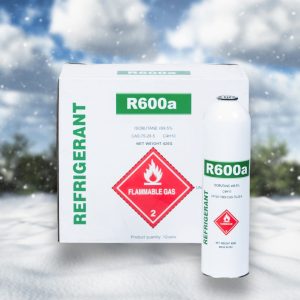
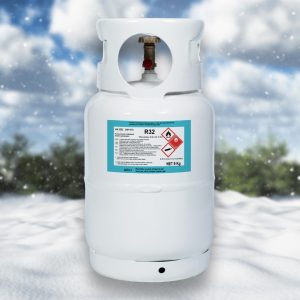
- R32 Gas: The New Generation Eco-Friendly Solution As of 2026, almost all new-generation air conditioners use R32. Why? Because R32 has a 68% lower Global Warming Potential (GWP) compared to the older R410A and provides higher energy efficiency. If you are buying a new air conditioner, make sure it is R32 compatible.
- R410A: The High-Efficiency Classic The standard of the last decade, R410A, does not deplete the ozone layer but has a high greenhouse effect. This gas is still used in millions of devices, and its availability in service networks remains high.
- R22 and Legacy Gases Found in older (typically pre-2010) devices, the production and import of R22 have been banned because it seriously damages the ozone layer. When a gas leak occurs in these devices, converting the system to modern gases or replacing the unit is usually a more economical option.
How to Tell if AC Gas is Low? 5 Critical Signs
If your air conditioner lacks gas (needs a refill), the system will give you the following signals:
- Drop in Cooling Performance: The AC is running, but the room temperature never reaches the desired level.
- Icing on Outdoor Unit Pipes: When gas is low, the pressure drops, and frosting or icing is observed on the pipes. This is the most concrete evidence of a gas leak.
- Increased Bills: The compressor runs non-stop to reach the target temperature, which is reflected in your electricity bill.
- Hissing or Blowing Sound: If the leak is large, you may hear a faint sound coming from the point of the leak.
- Oil Traces: As the gas leaks, it carries the compressor oil out with it. Oil stains at pipe connection points are signs of a leak.
Step-by-Step: How to Refill AC Gas? (Why Vacuuming is Mandatory)
Here is the trick: simply adding gas is not the solution. A professional service should follow these steps:
- Leak Test: The reason for the gas loss must be found and repaired. Otherwise, the newly injected gas will also escape.
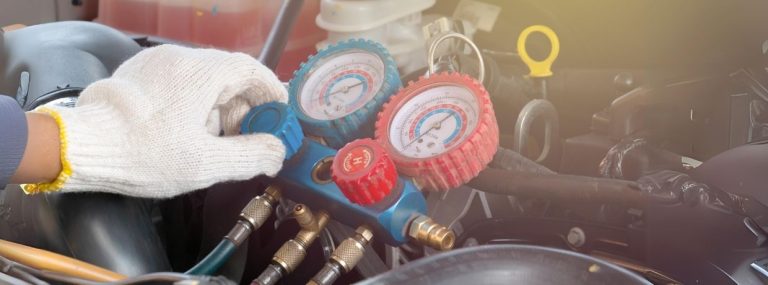
- Vacuuming: Air and moisture in the system must be completely removed using a vacuum pump. Moisture can create acid inside the system and burn out the compressor. This step, which many technicians skip, is critical for the life of the device.
- Filling with a Precision Scale: AC gas is not filled “by eye.” The weight specified on the outdoor unit label (e.g., 850 gr) must be delivered to the system using a precision scale.
2026 AC Gas Prices: Factors Affecting Cost
As of 2026, air conditioning gas refill fees vary depending on the type and amount of gas.
- Gas Type: R32 is generally slightly more expensive than R410A, but a smaller amount is sufficient.
- Labor and Travel: The service fee is added on top of the gas cost.
- Leak Repair: If a welding process or part replacement is required, the cost will increase.
- Note: Choosing the “cheapest” offer on the market usually results in topping off gas without vacuuming, which can lead to compressor failure in the long run, costing 10 times more.
AC Gas and the Environment: Ecological Impacts
Refrigerant gases create a serious greenhouse effect when released into the atmosphere. For this reason, attempting to refill the gas yourself at home is both dangerous (risk of high pressure and flammability) and highly likely to harm the environment. Professional certified technicians should collect the gas with recovery devices instead of releasing it into the atmosphere. However, residential AC gases have an impact that does not harm the environment through a controlled production system. Therefore, they are a very important gas option. Refrigerant gases are used as process gases in thermal equipment such as air conditioners, heat pumps, and refrigerators. They can be described as gas types circulating in a closed circuit within the devices. The gas used in older vehicles is R22. The gas option available in newer and more technological systems is known as R410 gas.
Things to Consider for Efficient Cooling
AC gas is the core component that allows your device to provide comfort. Regular maintenance performed once a year ensures that potential gas leaks are detected early. Remember, an air conditioner running with the correct pressure and the right type of gas provides up to 30% energy savings.
Which AC Gas is Better?
R32 and R410A are two types of air conditioning gases. These are residential AC gases. Vehicle AC gas is R134a. Among residential gases, R32 is considered the new-generation gas and is eco-friendly. R410A is used in older types of air conditioners. In terms of energy saving and efficiency, R32 gas is better.
Frequently Asked Questions (FAQ)
- How often should AC gas be refilled? Under normal conditions, if there is no leak in the system, AC gas does not run out and does not require refilling for years (10-15 years). If a refill is needed, there is definitely a leak.
- How long does an AC gas refill take? A professional leak test, vacuuming, and filling process takes approximately 45 to 90 minutes.
- Is AC gas harmful to health? They are harmless as long as they are within the closed circuit. However, they should not be inhaled in the event of a heavy leak; it can lower oxygen levels and cause dizziness.
- Can R410A be filled into an R32 air conditioner? Absolutely not! Each device’s compressor and oil are designed according to a specific gas type. Filling the wrong gas will permanently damage the device.
- How do we know if the home AC gas is finished? When AC gases are finished or low, air conditioners are not efficient enough in their cooling functions. Air conditioners with decreased efficiency experience a lack of cooling performance.
- What happens if there is too much AC gas? It is not possible for the gas inside the system to “run out” on its own, but it can finish as a result of breaks in the copper pipe installations. Therefore, they do not have a fixed “lifespan.”
- How much is an AC gas refill? AC gas refill prices increase in direct proportion to raw material prices. There is no fixed price for AC gas refilling.