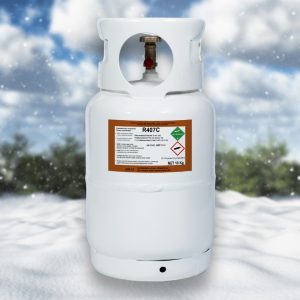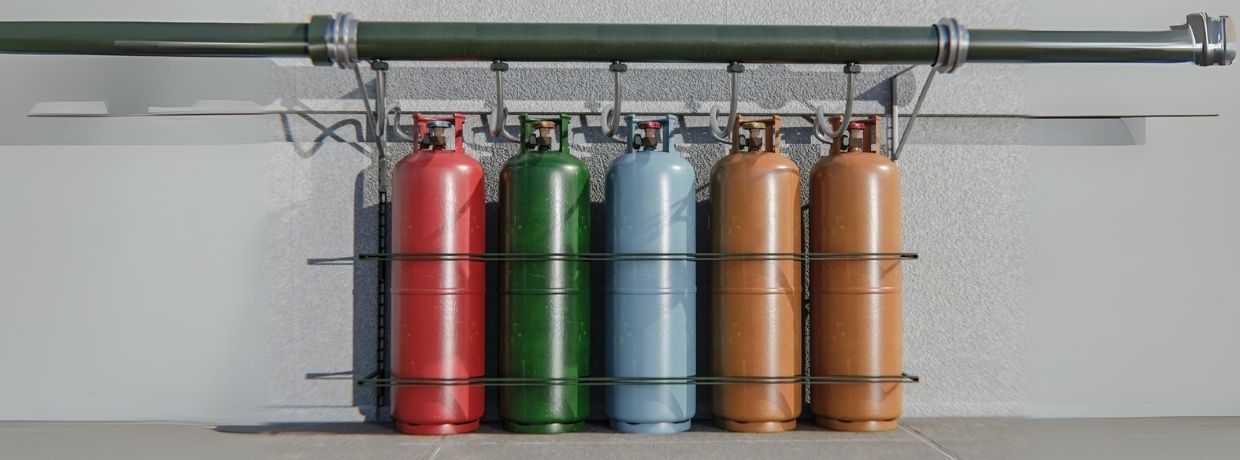
Propane gas, with the chemical formula C3H8, is a hydrocarbon derived from natural gas and petroleum. As an alkane composed of three carbon atoms and eight hydrogen atoms, propane is a colorless, odorless, and flammable gas. Due to its versatility, propane is widely regarded as an ideal fuel across various sectors.
Propane is extracted from petroleum fields and natural gas reservoirs. It is produced on a large scale, particularly in countries like the United States and Canada. One of propane’s major advantages is that it can be liquefied for easy transportation. When in its liquid form, propane takes up less space, making transportation more efficient and cost-effective.
Where is Propane Gas Used?
Propane gas has numerous uses, spanning from domestic applications to industrial processes. Below are some of the primary areas where propane is used:
1. Residential Heating and Cooking
Propane gas is commonly used in home heating systems to provide warmth and hot water. Its consistent performance makes it ideal for household purposes, including:
- Heating homes during winter months
- Water heating for showers and appliances
- Cooking on gas stoves and barbecues
- Outdoor activities such as camping and lighting campfires
2. Industrial Applications
Propane is highly valued in various industrial processes due to its energy efficiency. It is used to power:
- Welding and cutting tools, ensuring clean and effective operations
- Manufacturing processes, such as drying, melting, and heat treating
- Forklifts and other equipment that require portable, clean-burning fuel
3. Vehicle Fuel
Propane serves as an alternative fuel for vehicles, particularly as autogas (LPG). Many vehicles, especially those with high mileage demands, rely on propane as it:
- Produces fewer emissions compared to gasoline and diesel
- Offers cost savings over traditional fuels
- Powers public transport vehicles in urban areas
Propane Gas Characteristics
Propane (C3H8) is a hydrocarbon gas commonly referred to as LPG (Liquefied Petroleum Gas). Here are the key physical and chemical properties of propane:
| Property | Details |
|---|---|
| Chemical Formula | C3H8 |
| Molecular Weight | 44.1 g/mol |
| State | Colorless and odorless gas under normal conditions |
| Boiling Point | -42.1°C (-44.8°F) |
| Freezing Point | -188.2°C (-306.8°F) |
| Density | 1.52 times heavier than air |
| Flammability | Highly flammable with a flame temperature of 1,970°C (3,578°F) |
| Combustion Products | Carbon dioxide (CO2) and water (H2O) |
| Energy Content | High energy per unit mass, making it ideal as fuel |
Because propane is odorless, commercial-grade propane is often mixed with a chemical odorant (such as ethyl mercaptan) to make it detectable in case of leaks.
Propane Safety Considerations
Although propane is a clean-burning fuel, it is also highly flammable. If not handled properly, it can pose serious risks, including fire or explosions. Here are some key safety measures:
- Storage: Store propane tanks in well-ventilated areas, away from heat and direct sunlight.
- Leak Detection: Use gas detectors or be vigilant for the distinct odor added to the gas for safety.
- Handling: Avoid overfilling tanks, as liquid propane can expand and cause leaks.
- Ventilation: Use propane appliances in open or ventilated spaces to prevent the accumulation of gas.
Comparison: Propane vs. Butane
Propane and butane are both alkanes classified as LPG gases, but they differ in several important ways. Below is a comparison of their key properties and uses:
| Feature | Propane (C3H8) | Butane (C4H10) |
|---|---|---|
| Carbon Atoms | 3 | 4 |
| Production | Byproduct of natural gas processing and oil refining | Also derived from natural gas and oil refining |
| Boiling Point | -42.1°C (-44.8°F) | -0.5°C (31.1°F) |
| Applications | Home heating, cooking, autogas | Camping stoves, lighters, small engines |
| Storage Temperature | Performs better in cold climates | Better suited for warmer environments |
| Energy Content | High | Slightly lower than propane |
Propane is preferred in cold climates because it maintains pressure better at low temperatures, making it suitable for year-round use. In contrast, butane is typically used in warmer environments due to its higher boiling point. Both gases are stored and transported in liquefied form, which enhances portability and storage efficiency.
Environmental Impact of Propane Gas
Propane is often regarded as a cleaner-burning fossil fuel compared to gasoline and diesel. Some key environmental benefits of propane include:
- Lower Carbon Emissions: Produces fewer greenhouse gases when burned.
- Minimal Pollutants: Releases minimal sulfur and nitrogen compounds.
- Low Global Warming Potential (GWP): Propane has a lower GWP compared to many refrigerants.
However, it’s important to note that while propane burns more cleanly than other fossil fuels, it still contributes to CO2 emissions, which can impact the environment.
How is Propane Stored and Transported?
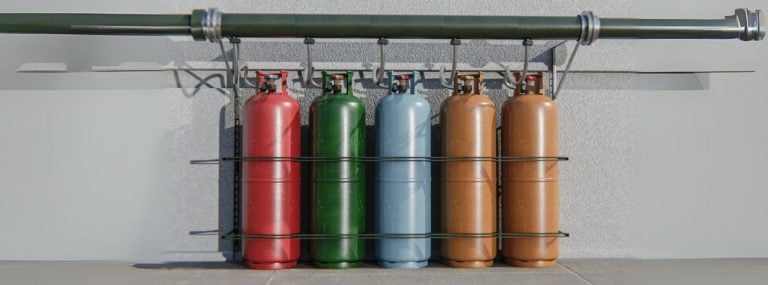
Propane is usually stored in pressurized tanks to keep it in liquid form, as it requires less space in this state. Depending on usage needs, propane can be stored in:
- Portable cylinders for domestic and recreational use (e.g., grills and camping gear)
- Large storage tanks for industrial operations and residential heating systems
- Refill stations for vehicles running on LPG
Since propane is highly compressed in liquid form, it must be handled with care to prevent leaks and accidental ignition.
FAQs about Propane Gas
1. What is propane used for?
Propane is widely used for heating, cooking, manufacturing processes, and as vehicle fuel (autogas).
2. Can propane be used in cars?
Yes, propane is used as autogas (LPG) and is popular as a cleaner, more affordable alternative to gasoline and diesel.
3. Is propane safe to use indoors?
Propane can be used indoors with proper ventilation and leak detection measures. However, unvented propane appliances may pose safety risks.
4. Is propane better than butane?
Propane performs better in cold temperatures and is more suitable for year-round use, while butane is ideal for warmer climates.
5. Can propane tanks explode?
While propane tanks are designed to be safe, improper handling or exposure to high heat can increase the risk of an explosion.
6. How do you detect propane leaks?
A chemical odorant (like ethyl mercaptan) is added to propane, giving it a distinct smell for easy leak detection.
Conclusion
Propane gas is a versatile, efficient, and clean-burning fuel widely used across industries, homes, and vehicles. With its high energy content and ease of storage, propane continues to be an important fuel source. Whether for heating, cooking, or powering vehicles, propane offers a practical solution for energy needs with minimal environmental impact. However, proper safety precautions are essential due to its flammable nature.